What is Kratom?
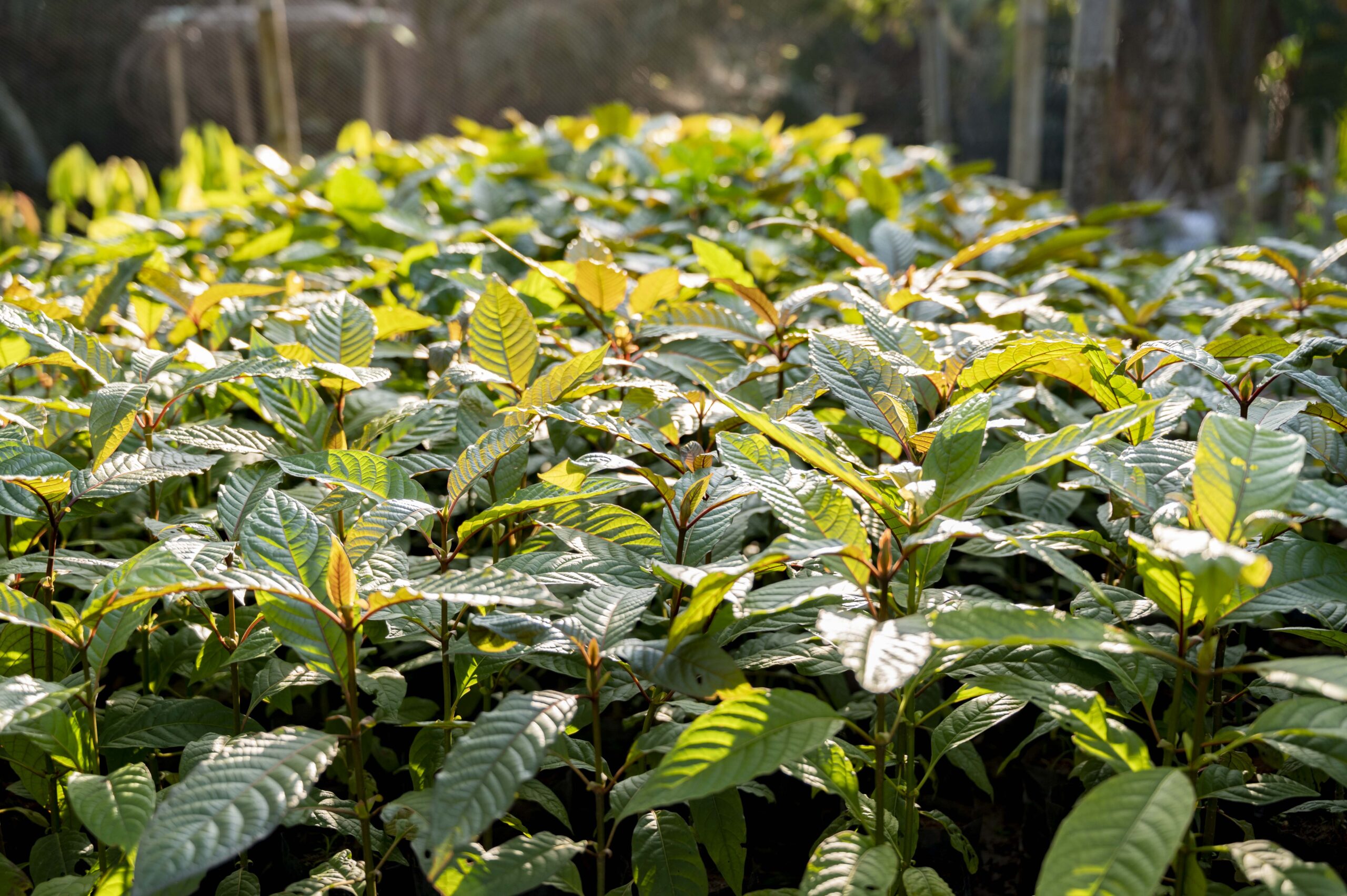
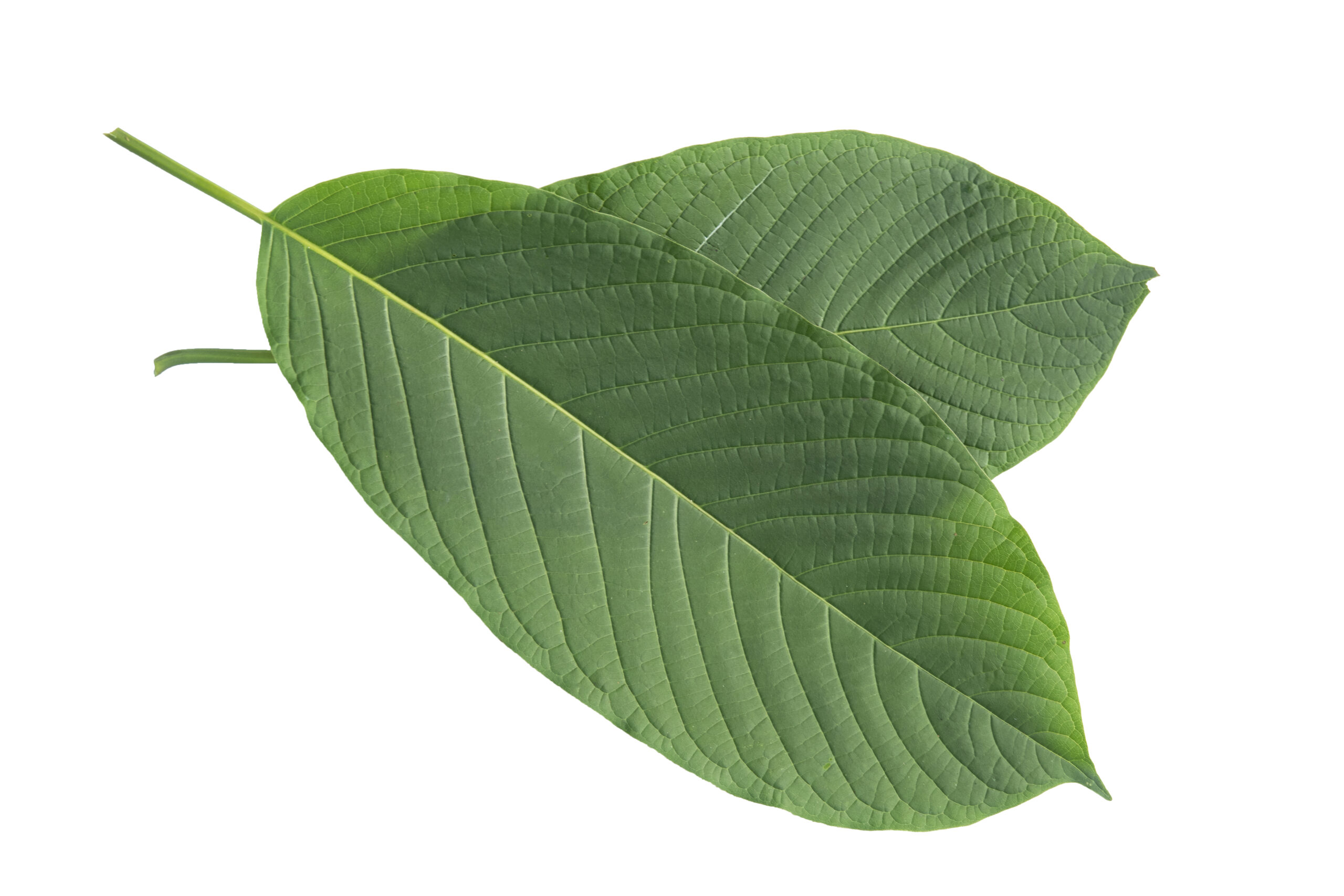
Kratom (Mitragyna speciosa) is a tropical tree native to Southeast Asia. Its leaves contain alkaloids, most notably mitragynine and 7-hydroxymitragynine, which interact with the body's receptors to produce a range of effects. People use Kratom for mood, energy, and comfort, among other reasons. It is not an FDA-approved drug and experiences with Kratom can vary depending on the form, dose, and individual biology.
In markets around the world, you’ll hear talk of different “strains” or colors (red, green, white) which people associate with different effects. In reality, the effect is strongly dose-dependent: lower doses tend to be more energizing, higher doses more sedating and analgesic. Always source from reputable providers and check local regulations.
How Kratom Works
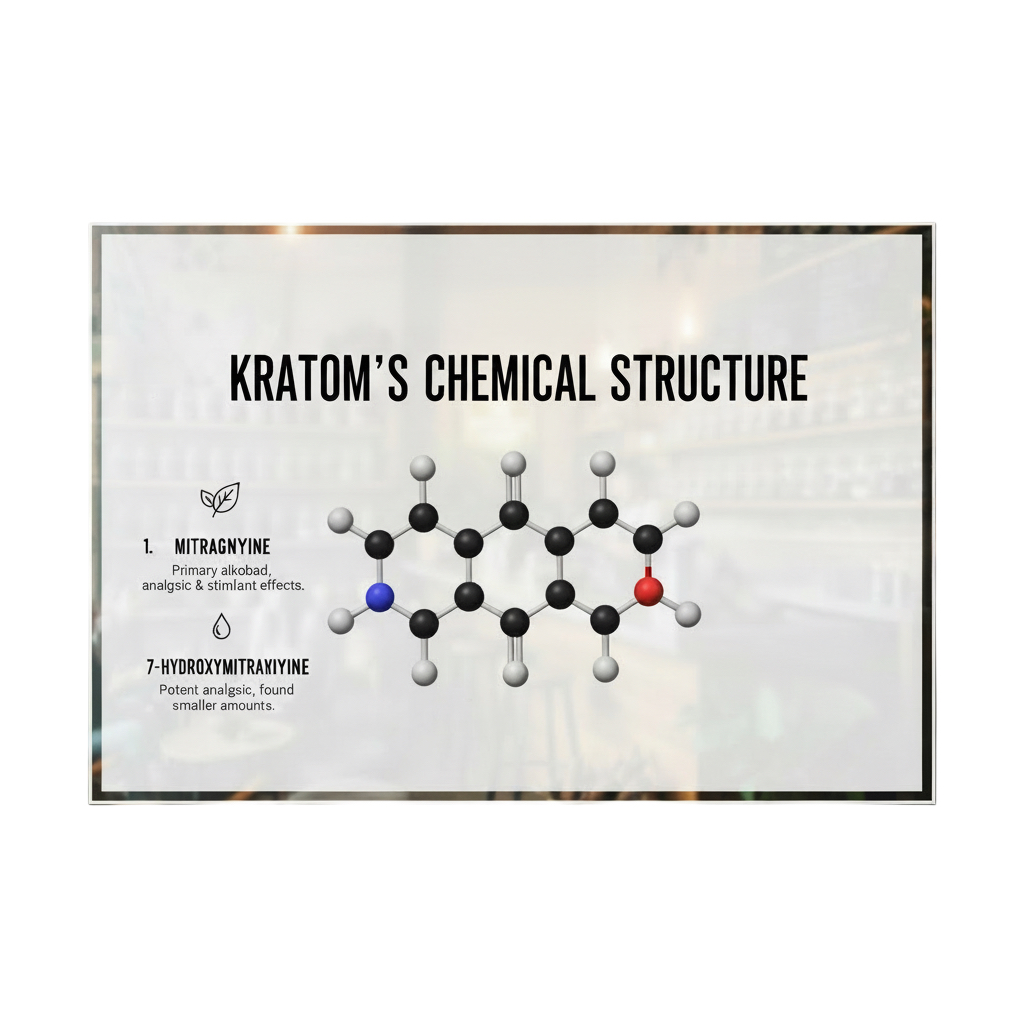
The primary alkaloids in Kratom interact with opioid receptors in the brain, particularly the mu-opioid receptor, which can modulate pain and mood. They also interact with other systems that influence energy, alertness, and relaxation. The exact effects depend on the dose, strain, and individual response.
- Analgesic and mood-supportive properties at moderate to higher doses
- Energy and focus at lower doses
- Calm and sleep support at higher, sedating doses
Effects and usage patterns
Kratom effects vary with dose and individual biology. Commonly reported experiences include mild energy and sociability at lower doses, and pain relief, calm, and sleep-support at higher doses. Some users report mood elevation and a sense of well-being; others may experience nausea or dizziness, especially with excessive dosing or poor product quality.
- Low dose: increased energy and focus
- Moderate dose: analgesia, mood lift
- High dose: sedation and total relaxation

Methods of Use
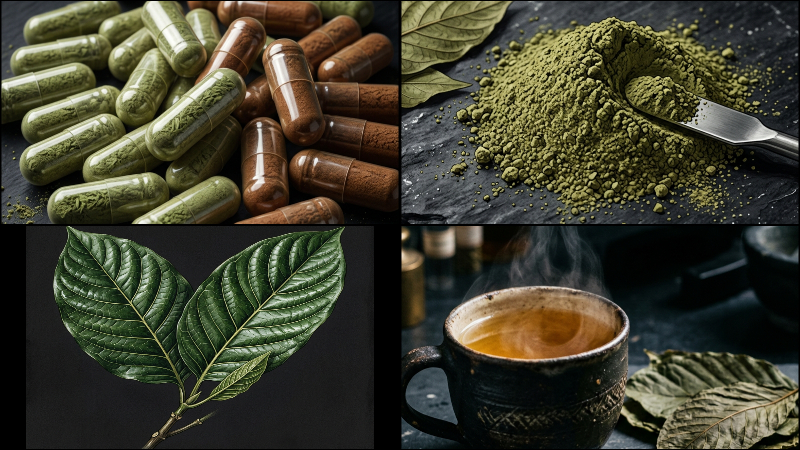
Kratom is most commonly used as powder, capsules, or tea. Powder can be stirred into beverages or dissolved into warm water. Some people opt for tinctures or extract products. If you’re trying Kratom for the first time, start with a small amount and monitor how you feel.
- Powder: typically 1–3 g for light effects
- Capsules: convenient for consistent dosing
- Tea: traditional preparation, may alter flavor and onset
Important: Kratom can interact with other medications and depressive substances. Avoid combining with alcohol or sedatives, and do not drive or operate heavy machinery if you’re unsure of your response.